The Difference Between Liqueur and Liquor — A Plain-English Guide
Liqueur and liquor sound almost identical, appear side by side
on every back bar, and confuse almost everyone outside the
industry. Here is the actual difference — and why it matters
more than you might think.
LYUBOMIROFF
··9 min read
Walk into any liquor store and you will find the words liqueur and liquor used almost interchangeably — on labels, menus, and signs. They sound nearly identical. They often sit beside each other on the same shelf. And for most people, the difference between them remains genuinely unclear.
It shouldn't. The distinction is simple, and once you understand it, you will read every back bar differently.
The short answer
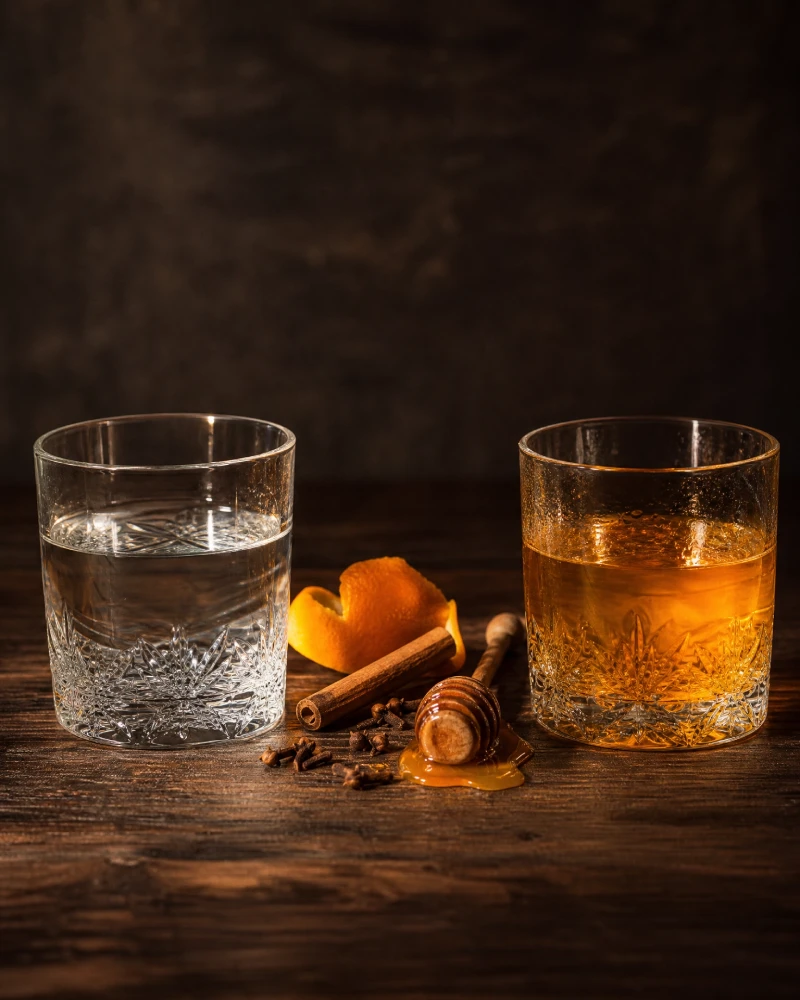
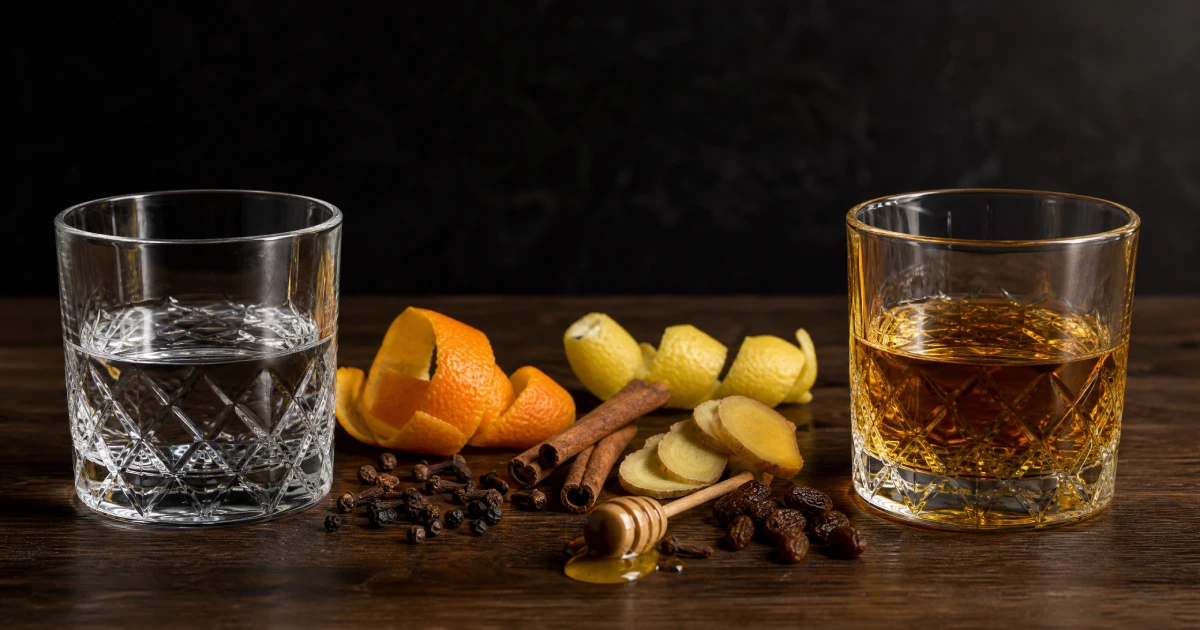
Two glasses side by side — clear vodka and rich amber liqueur, illustrating the difference between liquor and liqueur
Liquor is a distilled alcoholic spirit — vodka, whiskey, rum, gin, tequila, brandy. It is made by fermenting a base ingredient (grain, sugarcane, agave, grapes) and then distilling it to increase the alcohol content. In its purest form, liquor is not sweetened and contains no added flavoring beyond what comes from the base ingredient or the barrel it ages in.
Liqueur is liquor that has been sweetened and flavored — with fruit, herbs, spices, nuts, cream, botanicals, or any combination of these. Every liqueur starts as a base spirit. What transforms it into a liqueur is what happens next: the infusion, the maceration, the addition of natural ingredients that give it character beyond the alcohol itself.
One way to remember it: all liqueurs contain liquor, but not all liquors are liqueurs.
The longer answer — why the distinction matters
The difference is not just technical. It reflects two completely different approaches to what a spirit is supposed to do.
Liquor in its pure form is about the base ingredient and the craft of distillation. A well-made vodka is clean, smooth, and neutral — the skill is in removing everything that shouldn't be there. A good whiskey expresses the grain and the barrel. A fine rum carries the character of the sugarcane. The spirit itself is the point.
Liqueur inverts this logic. The base spirit is the vehicle, not the destination. What matters is what you put into it — the quality of the botanicals, the patience of the infusion, the balance between sweetness and character. A thoughtfully made liqueur is closer to a recipe than a distillation. It requires different skills and different judgment.
This is why cheap liqueurs are immediately obvious — artificial flavoring, syrupy sweetness, nothing underneath. And it is why a well-made liqueur, one built on real ingredients given real time, tastes genuinely complex.
How sweetness works in a liqueur
Sugar content is the other defining characteristic that separates liqueur from liquor, and it varies enormously.
Most countries define liqueur legally by minimum sugar content — in the European Union, for example, a spirit must contain at least 100 grams of sugar per liter to be labeled as a liqueur. Some liqueurs are intensely sweet (crème de cassis, amaretto). Others are barely sweet at all — closer to a flavored spirit with just enough residual sweetness to round the finish.
This matters for how you drink them. Highly sweet liqueurs work best in small quantities or as cocktail modifiers — they are too rich to drink in volume. Drier, more botanical liqueurs can be sipped neat, mixed into long drinks, or used as a base rather than an accent.
What goes into a liqueur
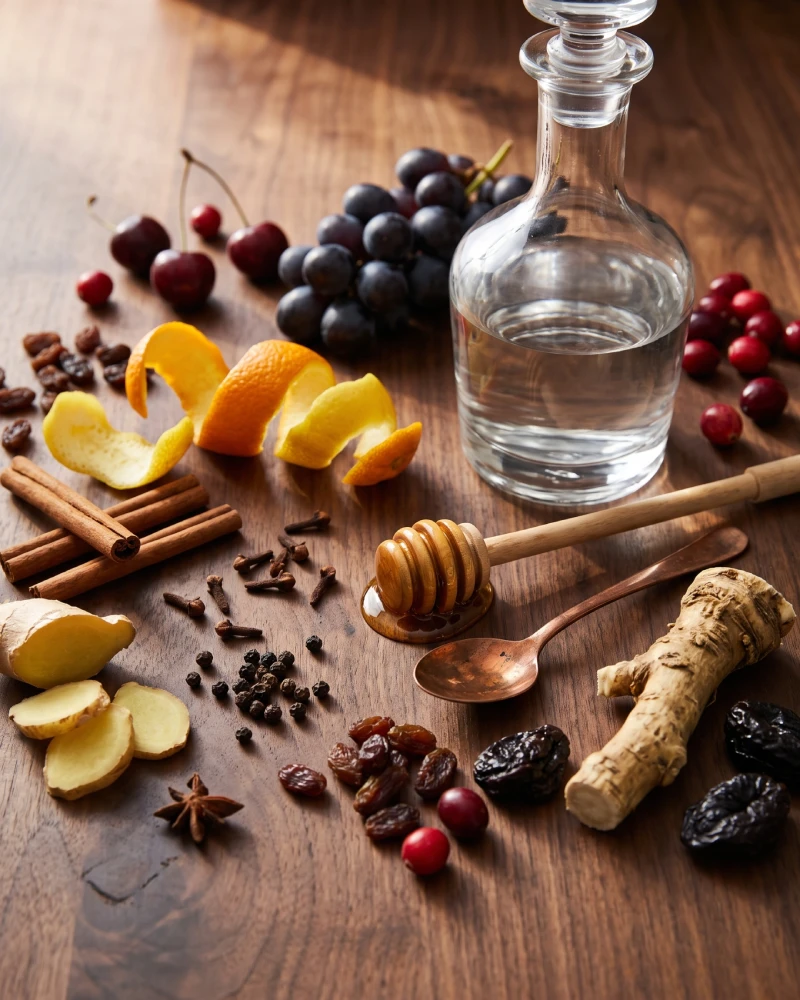
Natural botanicals used in craft liqueur production — orange peel, cloves, cinnamon, ginger and dried fruits on a dark surface
The range of ingredients used in liqueur production is wider than almost any other food or drink category.
Fruit — cherries, raspberries, cranberries, prunes, citrus peel, apricots, plums. Fruit liqueurs can be made by macerating whole or dried fruit directly in the base spirit, by adding natural fruit extract, or by a combination of both. The maceration method — steeping real fruit in alcohol over time — produces the most complex result but takes considerably longer.
Botanicals — herbs, roots, spices, flowers. The category includes everything from lavender and elderflower to horseradish root and black pepper. Botanical liqueurs are often the most interesting to drink neat because the flavor profile develops in layers rather than arriving all at once.
Spices — cinnamon, cloves, ginger, nutmeg, vanilla. Often used alongside fruit or botanicals to add warmth and depth. The balance between spice and sweetness is one of the central challenges in liqueur production — too much spice and the drink becomes harsh, too little and it tastes flat.
Honey — both a sweetener and a flavoring agent. Honey liqueurs differ from other sweet liqueurs because the honey itself contributes aromatic complexity that refined sugar does not. The floral or earthy character of the honey becomes part of the drink's personality.
Cream — dairy cream produces the richest, heaviest liqueurs (Irish cream being the most well-known example). These are the least shelf-stable of the liqueur categories and require refrigeration after opening.
The difference on the palate
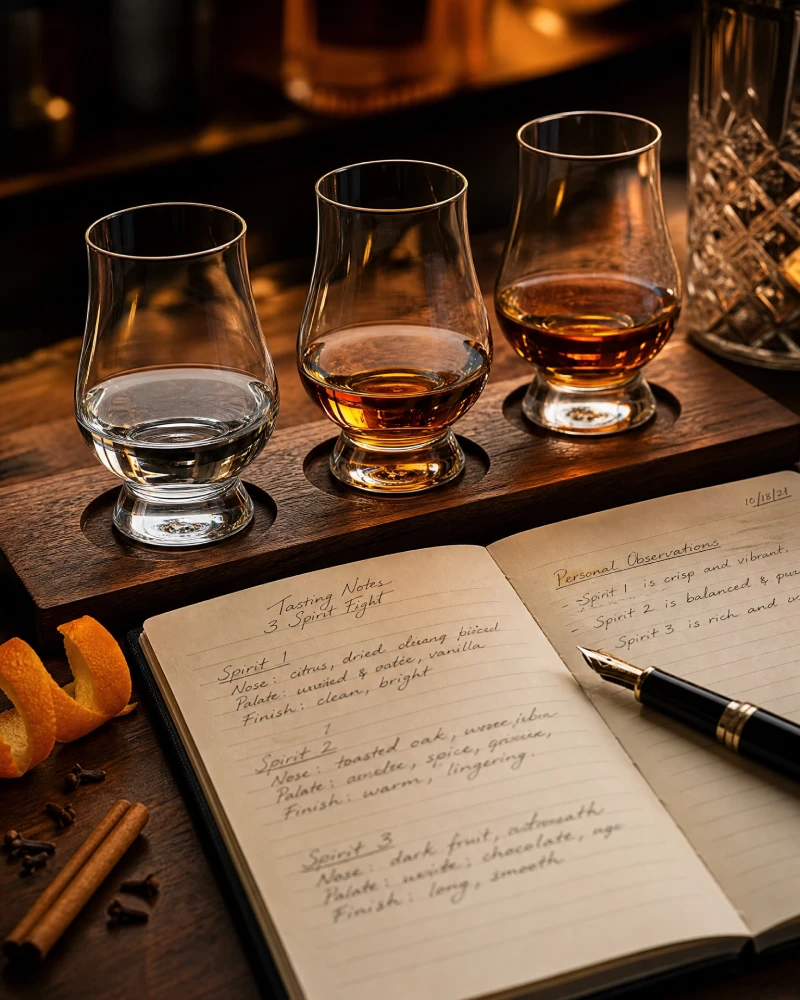
Professional tasting flight of spirits with three glasses, tasting notes, and natural botanicals demonstrating how craft liqueurs are evaluated for aroma and flavor.
Tasting liquor and liqueur side by side makes the distinction immediately obvious in a way that no description quite captures.
Pour a clean vodka. The nose is subtle — faint grain, perhaps a trace of sweetness from the fermentation. The palate is smooth, neutral, with a clean warmth from the alcohol. The finish is brief and dry.
Now pour a honey liqueur made with citrus peel, cinnamon, cloves, ginger, and organic honey over the same base spirit. The nose opens immediately with orange and something warm underneath it. The palate delivers the honey first, then the spice layer arrives — cinnamon, then clove, then the sharp edge of ginger at the back. The finish is longer and distinctly different from the entry. The alcohol is present but it is no longer the point.
Same base spirit. Completely different experience. That transformation is what liqueur production is about.
Craft liqueur versus commercial liqueur
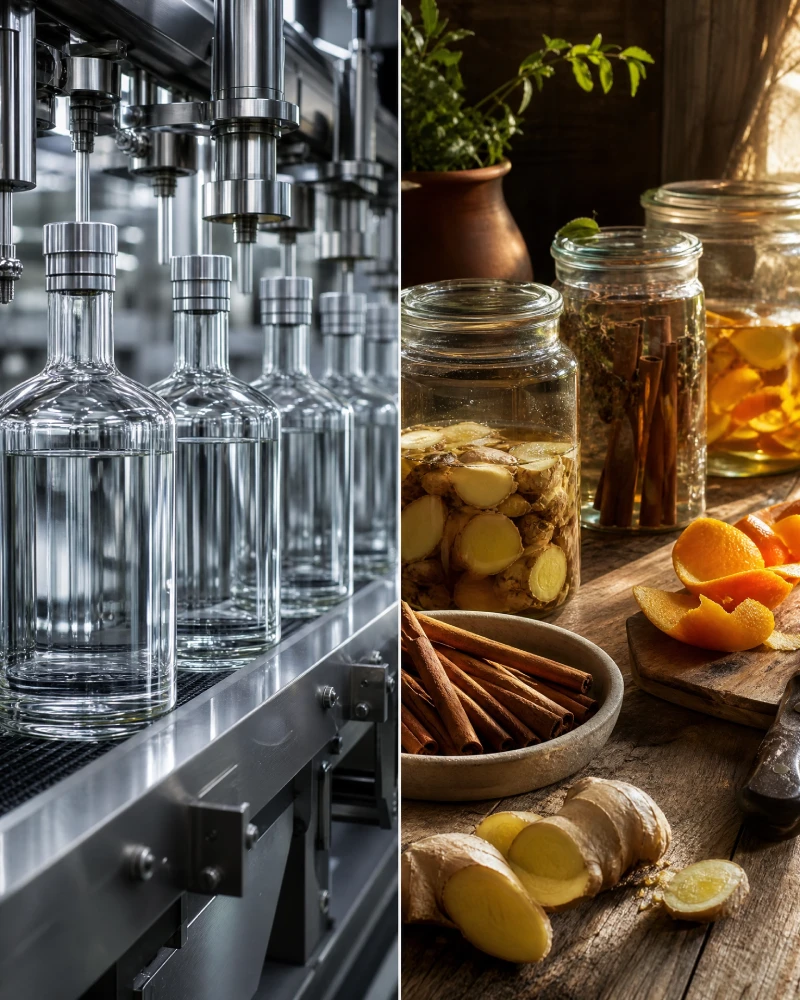
Side-by-side comparison of industrial liquor bottling and artisan craft liqueur production featuring fresh botanicals, infused ingredients, and hand-filled bottles.
Not all liqueurs are made the same way, and the difference between a craft liqueur and a commercial one is significant enough to taste.
Commercial liqueur production at scale typically relies on flavor concentrates and extracts — artificial or natural compounds that deliver consistent flavor efficiently. The result is predictable and shelf-stable, which is exactly what large-volume production requires. But it lacks the complexity that comes from real ingredients given real time.
Craft liqueur starts with actual botanicals, actual fruit, actual spices. The production process is slower and less predictable. The results vary slightly between batches because real ingredients vary — the honey from one harvest is different from the next, the cherry crop of one year is not identical to the last. This variability is not a flaw. It is the evidence that something real is happening.
Small-batch production also means the maker can adjust — more of this ingredient, less of that one, a longer maceration here, a different ratio there. The recipe is alive rather than fixed.
A real-world example
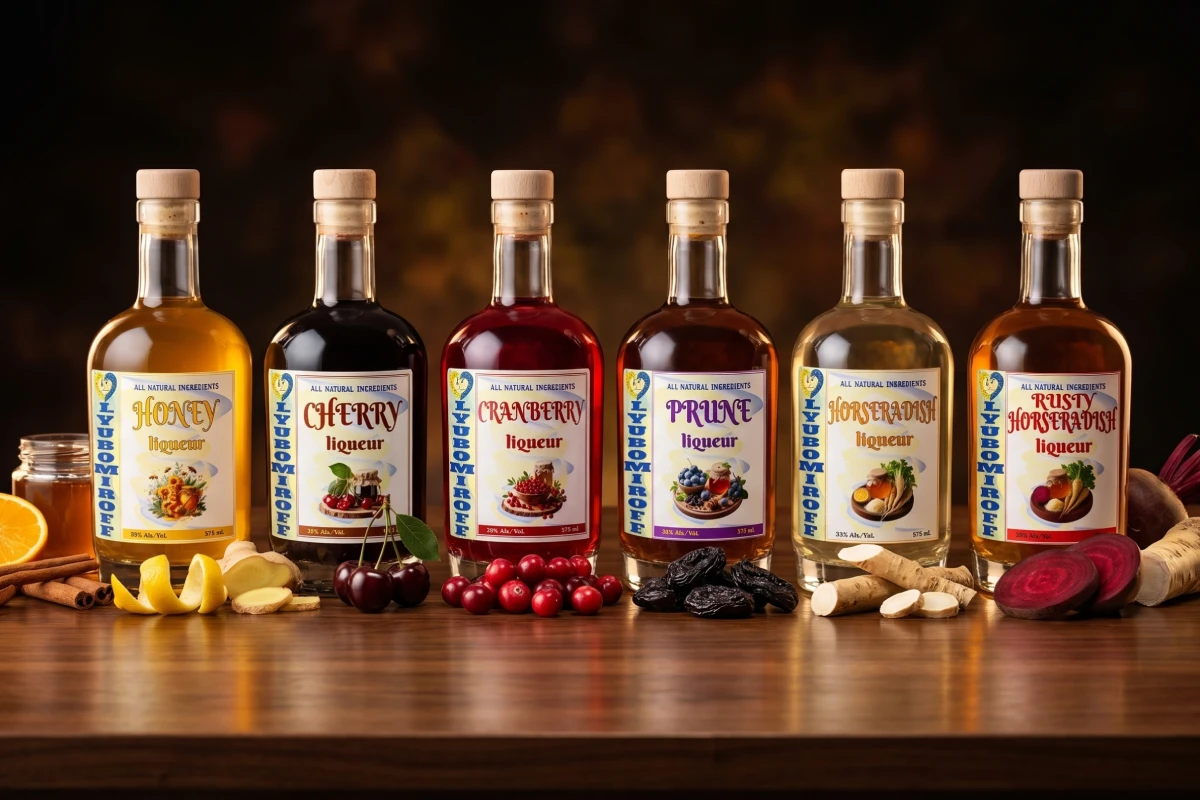
The LYUBOMIROFF collection — six small-batch liqueurs made with natural ingredients in New Jersey
Our liqueurs at LYUBOMIROFF are built on exactly this principle — a vodka base, natural ingredients, no artificial flavoring, produced in small batches in New Jersey.
The range covers six distinct flavor profiles, each built around a different primary ingredient:
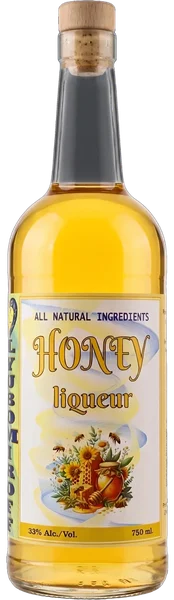
Honey Liqueur — organic honey with orange and lemon peel, cloves, ginger, cinnamon, raisin, nutmeg, and black pepper. Light and floral, with a warm botanical finish. The honey is a flavoring agent, not just a sweetener.
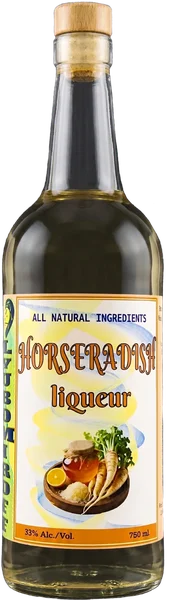
Horseradish Liqueur — fresh horseradish root and spices infused into vodka. The result is clean and sharp with an earthy warmth that builds at the back of the throat. No sweetness to speak of — closer to a flavored spirit than a traditional liqueur, but technically classified as one.
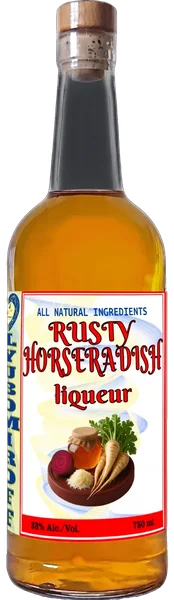
Rusty Horseradish Liqueur — horseradish and beet as the primary ingredients. The beet rounds the sharpness of the horseradish considerably — the flavor is deeper and more vegetal, with an earthy richness and a color that gives the liqueur its name.
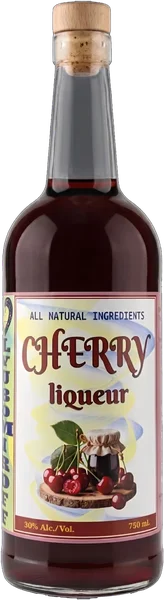
Cherry Liqueur — dark cherry with a deep, slightly tart character and a stone-fruit note in the finish. Rich without being syrupy.
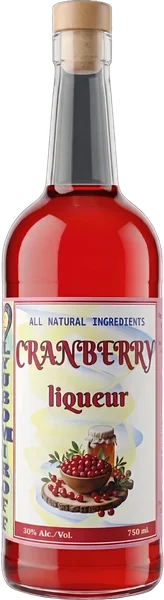
Cranberry Liqueur — bright, tart, and vivid ruby-red. Cranberry is one of the more assertive fruit liqueurs to make because the fruit itself is so sour — the balance between tartness and sweetness is the whole craft.
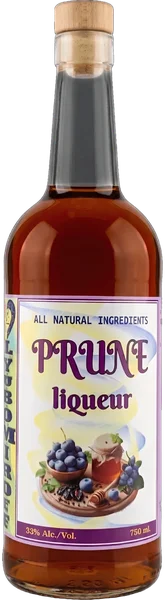
Prune Liqueur — dried plum with a mellow, unhurried character. This is the quietest of the range — no sharp edges, no intensity, just a slow dark sweetness with a clean finish.
Six liqueurs, six completely different starting points, all built on the same vodka base. That range is possible precisely because liqueur production is about the ingredients, not the spirit.
How to drink liqueur
The answer depends on the liqueur, but the short version is: more ways than you probably think.
Neat or chilled is the traditional starting point for most botanical and fruit liqueurs. A small pour, cold from the bottle or briefly chilled, lets you taste what is actually in the glass without dilution or competing flavors. This is how you evaluate a liqueur — not in a cocktail.
On ice is often the best everyday format. The slow dilution as the ice melts opens the flavor gradually. What arrives as honey and citrus at the first sip becomes more spice-forward as the glass opens up.
In cocktails is where liqueurs earn their place on the back bar. A liqueur adds sweetness, flavor, and complexity to a cocktail simultaneously — replacing simple syrup and flavoring agent in one ingredient. The classic sour formula (spirit, citrus, sweetener) becomes considerably more interesting when the sweetener is a cherry liqueur rather than plain sugar.
As a mixer in longer drinks — topped with sparkling water, soda, or prosecco — is the most approachable format. The carbonation lightens the sweetness and opens the aromatics. Cranberry liqueur with prosecco, for example, produces something more interesting than either ingredient alone.
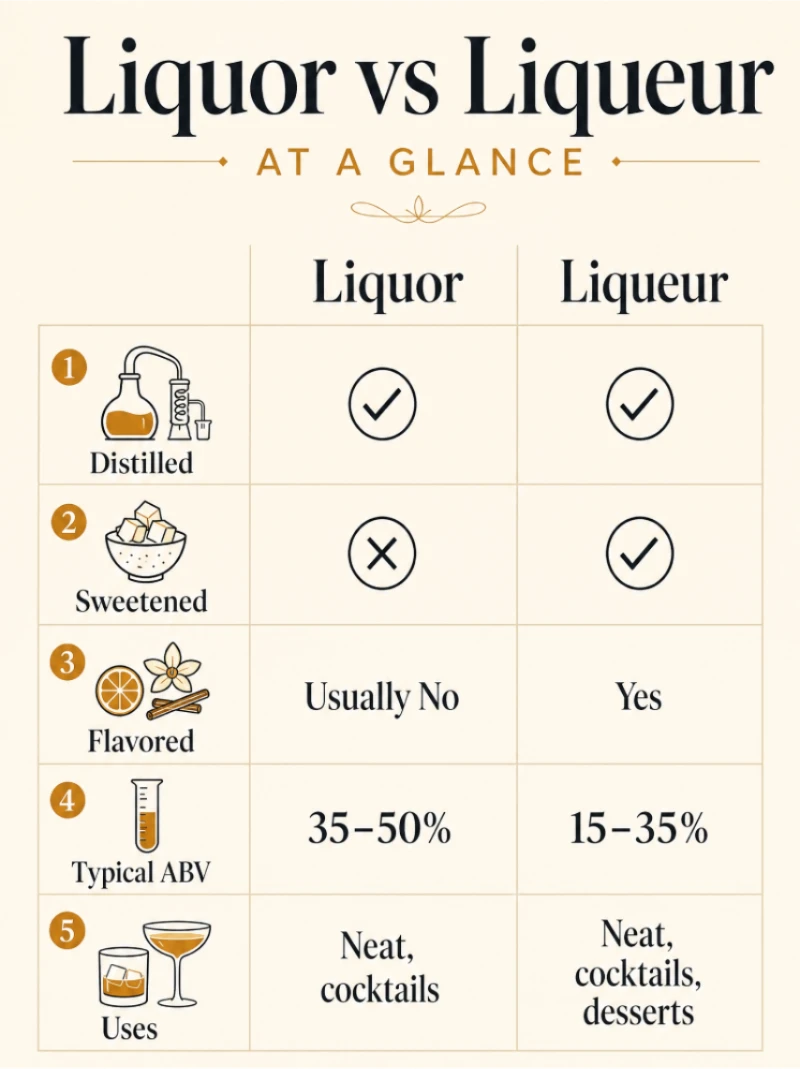
The one-sentence version Infographic comparing liquor and liqueur — distillation, sweetness, ABV, uses and examples at a glance
If you remember nothing else from this article: liquor is the base, liqueur is what you do with it.
The rest is detail — interesting detail, worth understanding if you want to drink better — but the principle is that simple. Liqueur is the category where someone decided that the spirit itself was not the endpoint, but the beginning.
 LYUBOMIROFF