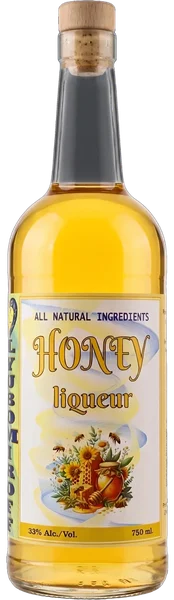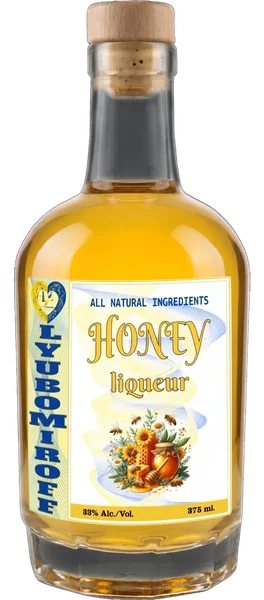
 LYUBOMIROFF
Before there was a bottle with a label, there was a family recipe. A list of ingredients written down somewhere — or perhaps never written at all, just passed from one person to the next, adjusted each time by whoever was doing the infusing.
That is where our Honey Liqueur begins.
The oldest spirit in the Slavic world
Long before distilled vodka existed, Slavic cultures were fermenting and infusing honey. Medovukha — honey mead — appears in historical records going back to at least the 10th century. It was the drink of celebrations, of harvests, of weddings. The word itself comes from med, the Slavic word for honey, which is also the root of the English word mead.
The leap from honey mead to honey-infused spirits happened naturally once distillation arrived in Eastern Europe in the 14th and 15th centuries. Honey, already understood as a flavoring ingredient, began to be combined with vodka rather than fermented on its own. The result was something more stable, more concentrated, and more complex than mead — a true liqueur in the modern sense.
Polish Krupnik, Ukrainian honey vodkas, Russian medovaya nastoyanka — all of these are variations on the same ancient idea: honey and spirit, joined together.
What most honey liqueurs get wrong
Walk into any liquor store and you will find bottles labeled honey vodka or honey liqueur. Most of them taste the same — sweet, one-dimensional, immediately recognizable as artificial flavoring. The honey note is a single synthetic compound added to neutral spirit. There is nothing wrong with it commercially. It just isn't honey.
Even the better-known traditional brands like Krupnik or Bärenjäger, while genuinely honey-based, are produced at industrial scale with consistent, predictable formulas. The honey is real but the recipe is fixed, optimized for volume.
What you lose at scale is the thing that made honey spirits interesting in the first place: the botanicals.
Why botanicals make all the difference
Traditional Slavic honey liqueur recipes were never just honey and vodka. They were closer to an apothecary formula — a careful list of roots, peels, spices, and dried fruits that interacted with the honey to create something layered and alive.
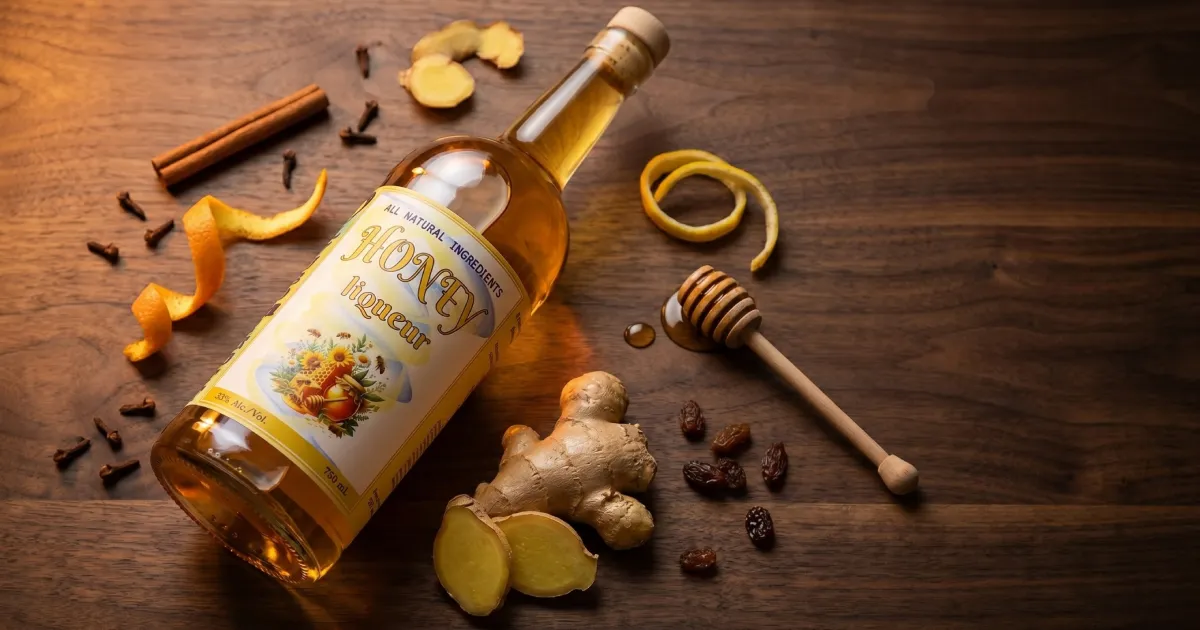
Our recipe, which comes from within the family and has been refined over years of small-batch production, includes more than ten natural ingredients alongside organic honey. The ones we can share with you: orange peel, lemon peel, cloves, ginger, cinnamon, raisin, nutmeg, and black pepper.
Each plays a specific role.
Orange and lemon peel provide the brightness that lifts the honey note — without citrus peel, honey spirits can taste heavy and cloying. The aromatic oils in the peel balance sweetness with a clean, dry edge.
Cloves and cinnamon are the warming backbone. These are the spices that appear in nearly every historical Slavic honey recipe, and for good reason — they bring depth and a slow warmth that lingers after the sweetness fades.
Ginger adds a subtle sharpness that keeps the drink honest. It prevents the sweetness from becoming syrupy.
Raisin contributes a dried-fruit roundness — a mellow, almost wine-like quality in the mid-palate that you would not identify if you did not know it was there, but would notice if it were absent.
Nutmeg and black pepper are the finishing touches. Both release aromatic compounds slowly into the infusion, creating the complexity that makes you want a second sip to figure out what you are tasting.
The honey itself is organic. Not because it is a marketing word, but because the quality of the honey is the foundation of everything else. Industrial refined honey tastes flat. Organic honey, particularly from wildflower sources, has a complexity of its own — floral, slightly earthy, with a natural variation that makes each small batch slightly different from the last.
What it tastes like
Light and floral on the nose. The honey is forward but never aggressive — you smell orange peel and something warm beneath it before the glass reaches your lips.
On the palate, the sweetness arrives first and then opens into the spice layer — cinnamon and clove, then the gentle push of ginger and pepper. The finish is drier than the entry suggests, clean and warm, with a trace of citrus that stays with you.
It is easy drinking in the best sense of that phrase — not simple, but approachable. You do not need to work to enjoy it.
How to drink it
Chilled and straight is the traditional starting point. Pour it cold from the freezer into a small glass. Drink it the way a shot of good vodka is meant to be drunk in Eastern Europe — slowly, with attention, alongside food. This is not a shooter. It is a tasting.
On ice opens the botanical layer. As the ice melts, the flavors shift — the citrus peel becomes more prominent, the spice softens. This is probably the best format for a first encounter with the bottle.
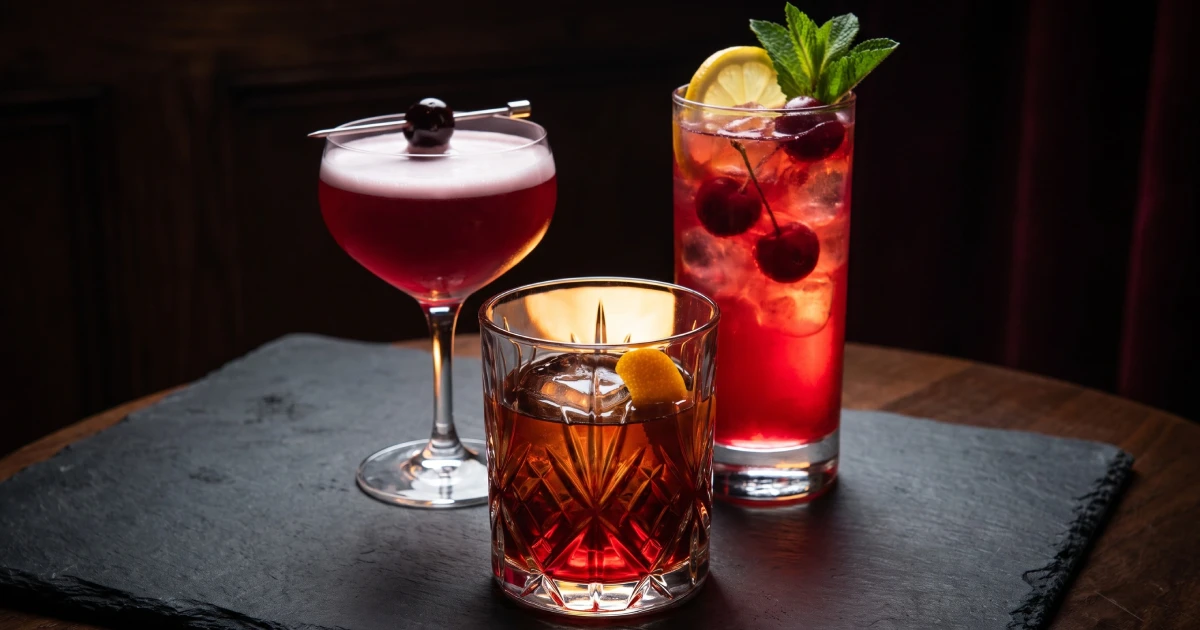
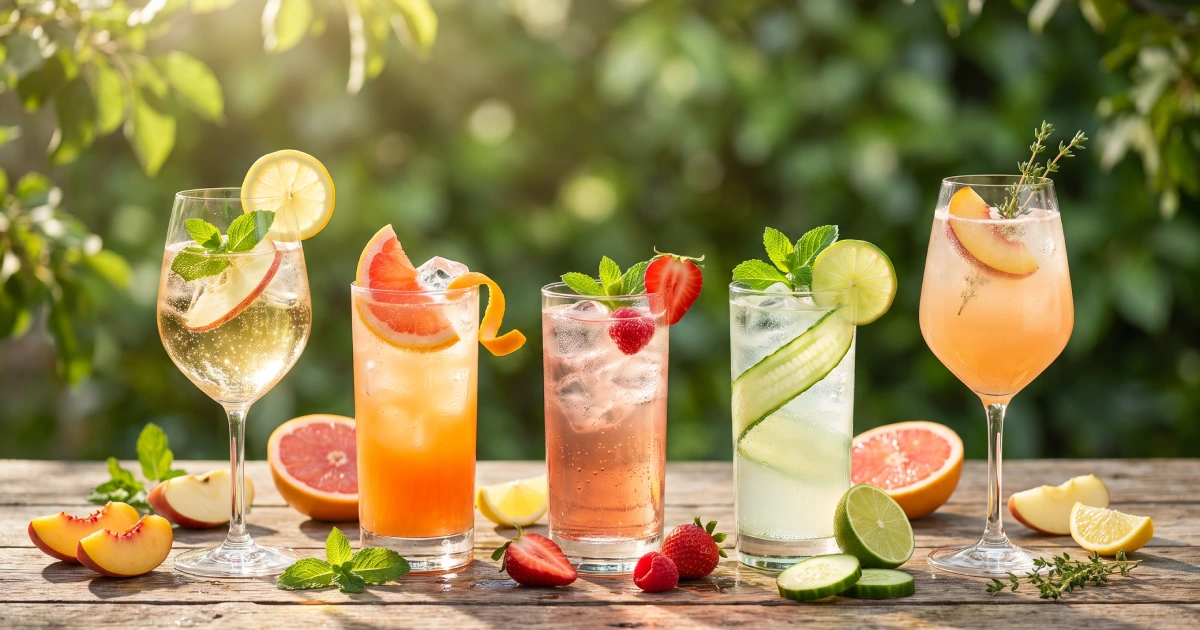
In cocktails, it performs differently from honey simple syrup or honey vodka. The botanical complexity means it contributes flavor, not just sweetness. Three combinations worth trying:
Honey & Lemon Sour
- 2 oz LYUBOMIROFF Honey Liqueur
- ¾ oz fresh lemon juice
- ½ oz egg white (optional — adds texture and a foam cap)
Dry shake first (no ice), then shake again with ice. Strain into a coupe glass. No garnish needed, or a small twist of lemon peel expressed over the top.
The lemon juice meets the lemon peel already in the liqueur and they reinforce each other cleanly. The egg white turns the drink from a sour into something closer to a dessert cocktail — silky and satisfying.
Honey Spiced Old Fashioned
- 2 oz good bourbon or rye whiskey
- ¾ oz LYUBOMIROFF Honey Liqueur
- 2 dashes aromatic bitters
Stir over ice for 30 seconds. Strain into a rocks glass over a large ice cube. Garnish with an orange peel.
The cinnamon and clove in the liqueur speak directly to the oak and vanilla in whiskey. This is the cocktail that converts people who think they don't like honey drinks — there is nothing sweet about it.
Hot Honey Toddy
- 2 oz LYUBOMIROFF Honey Liqueur
- 4 oz hot water (just off the boil, not boiling)
- ½ oz fresh lemon juice
- 1 thin slice of fresh ginger
Combine in a warmed mug. Stir gently. The ginger in the liqueur doubles with the fresh ginger slice — use one or the other if you prefer something more subtle.
This is a winter drink and it is genuinely medicinal in the old-fashioned sense. Warm, soothing, aromatic. The kind of thing you make when the temperature drops and you want something that feels like it was made for you specifically.
Where to find it
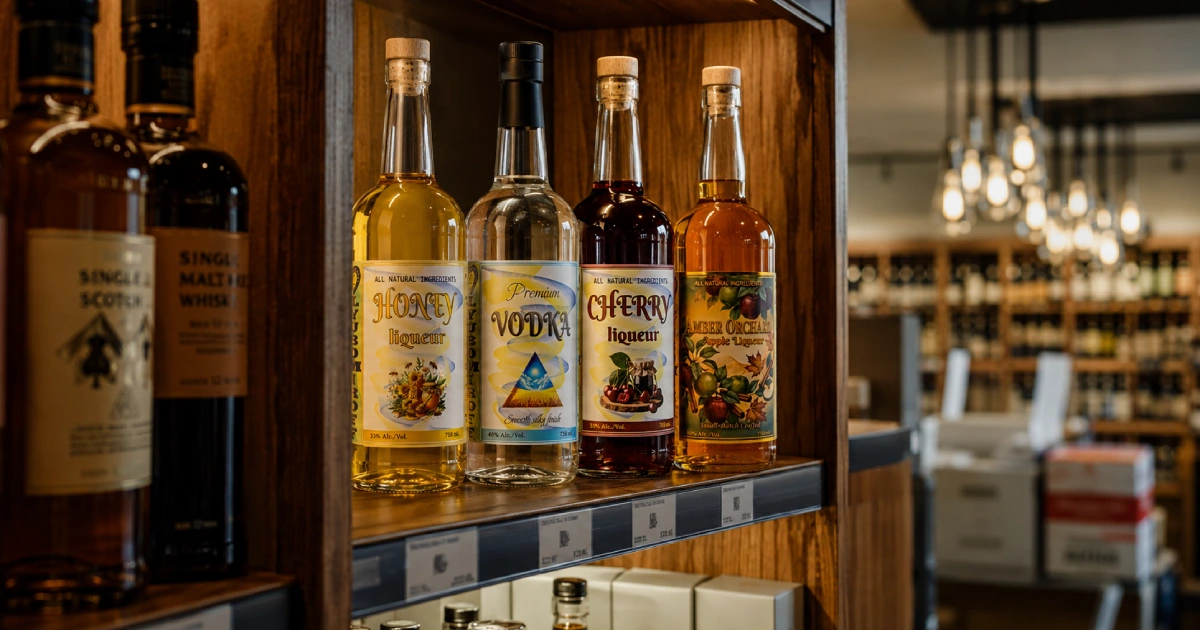
Our our Honey Liqueur is available in 375 ml and 750 ml at select retailers across New Jersey. If you have not tried it alongside the Horseradish Liqueur, that comparison — bold and sharp against light and floral — is one of the most interesting things you can do with two small glasses and twenty minutes.