 LYUBOMIROFF
One night a year, Slavic tradition says the forest comes alive.
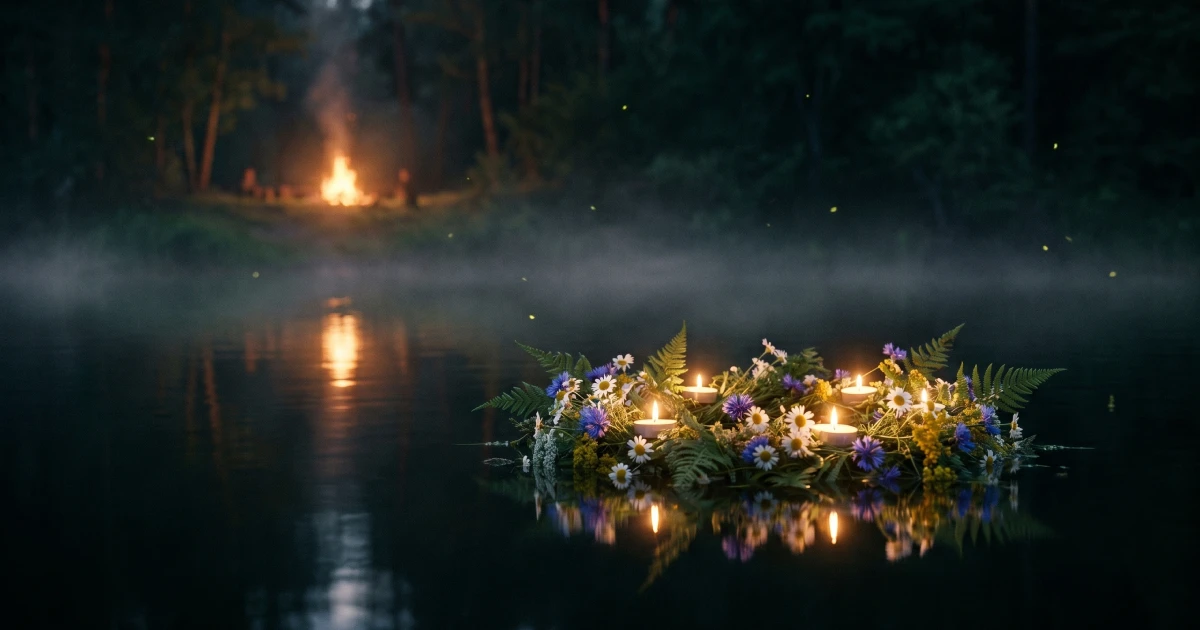
Bonfires burn along the riverbank. Young women lower flower wreaths onto the water and watch where the current takes them. Somewhere in the dark between the trees, a fern is about to bloom — briefly, impossibly, for the only time it ever will — and anyone brave enough to find it will be changed forever.
This is Ivana Kupala. And it has been celebrated for over a thousand years.
A brief history
Ivana Kupala began long before it had a name anyone wrote down. Its roots reach into pre-Christian Slavic tradition — a midsummer festival honoring the god Kupalo, associated with fire, water, and the fertility of the earth. The name itself likely comes from kupaty — the Slavic word for bathing — reflecting water purification rituals central to the night.
The earliest written references date to the 11th century, but archaeologists have found evidence of midsummer celebrations on a fourth-century calendar pot discovered in the Middle Dnipro River region. After Ukraine adopted Christianity in 988, the Church reframed the festival around the birth of John the Baptist — Ivan in Ukrainian — and the two traditions merged into one name that has lasted ever since.
Today, Ukrainians celebrate on the night of June 23–24 following the modern calendar, with communities observing the Julian calendar still marking it on July 6–7.
The meaning behind the bonfire
The bonfire is the heart of Ivana Kupala. It is not decoration. It is the whole point.
In ancient belief, the Kupala fire had the power to purify — to burn away illness, bad luck, and the weight of the past year. People leapt over the flames to cleanse themselves, to prove courage, and to ask the fire for its blessing.
For couples, the bonfire carried a deeper meaning. A pair who jumped together, hands clasped and unbroken through the leap, was said to be bound — not just for the evening but in life. The fire witnessed it. If their hands stayed joined through the jump, they would marry. If they separated mid-air, the bond was not yet certain.
Some traditions hold that the night calls for a drink shared by firelight — something warm, something made with intention. That idea is older than any recipe.
Why people float flower wreaths
In the late afternoon of Ivana Kupala, unmarried women gather wildflowers from meadows and riverbanks — buttercups, chamomile, cornflowers, yarrow, daisies, poppies — and weave them into a vinok, the traditional Ukrainian flower crown. The wreath is personal. Each woman chooses her flowers. Each arrangement is different.
At nightfall, a candle is placed in the center of the wreath and lit. The wreath is then lowered gently onto the water and released.
What happens next is the fortune.
A wreath that floats freely and travels far downriver means a wedding is coming. A wreath that turns in circles suggests uncertainty — the future is still being decided. A wreath that sinks means another year without marriage. And if a young man wading downstream catches the wreath before it drifts away, tradition says that the woman who made it and the man who caught it belong together.
The women on the bank watch in silence, reading the water.
The legend of the fern flower
This is the part of Ivana Kupala that people carry with them longest.
Ferns do not flower. Every botanist will tell you this — they reproduce by spores, not blossoms, and there is no bud, no petal, no bloom. And yet the legend has survived for centuries, passed from one generation to the next with complete seriousness: on the night of Ivana Kupala, a single fern in the forest blooms.
It happens around midnight. The sprout appears suddenly between the leaves, pushing upward, rising higher, until it opens into a flower that glows like a live flame — so bright, according to some tellings, that it is almost impossible to look at directly.
The bloom lasts only minutes. Then it is gone.
Whoever finds it — and this is where the rules become important — receives gifts that cannot be bought or learned. The ability to understand the language of animals. The power to see where treasures lie buried in the earth. Knowledge of the future. Freedom from evil. Health, wealth, and the love of whoever they desire.
But the forest does not give it easily.
Evil spirits guard the fern on this night, knowing what is at stake. They appear as distractions, as sounds, as fears. They whisper. They misdirect. A seeker who is not pure-hearted — who is looking for the flower out of greed or pride rather than genuine seeking — will find nothing, or worse, will become lost.
And there is one more rule, among the most important: if you find the fern flower, you cannot look back on the walk home. You cannot show it to anyone. You cannot speak of it until you have crossed back into the village. The moment you break any of these conditions, the flower vanishes, and its gifts go with it.
This is a legend that understands human nature. The flower is not merely found. It is deserved.
Celebrating tradition today
Ivana Kupala is still celebrated every summer — in villages along Ukrainian rivers, in city parks in Kyiv, at community festivals in the Ukrainian diaspora across the United States, Canada, and Europe.
The form has changed. There are fewer ancient rites and more music, more dancing, more people photographing the wreaths for social media before releasing them onto the water. But the core elements remain: the bonfire, the flowers, the water, the darkness of the summer forest, the feeling that this particular night is different from all the others.
Whether you are in Europe or New Jersey, the tradition travels with you. A festival rooted in the land carries something portable — not a location, but a way of marking the season. A way of gathering around fire, of honoring summer at its height, of remembering that the world is older and stranger than we usually let ourselves believe.
Five summer cocktails for Kupala night
Every year, around midsummer, we think about what it would mean to drink like the season. Not something cold and forgettable, but something that fits the night — the warmth, the botanicals, the sense of something just slightly beyond explanation.
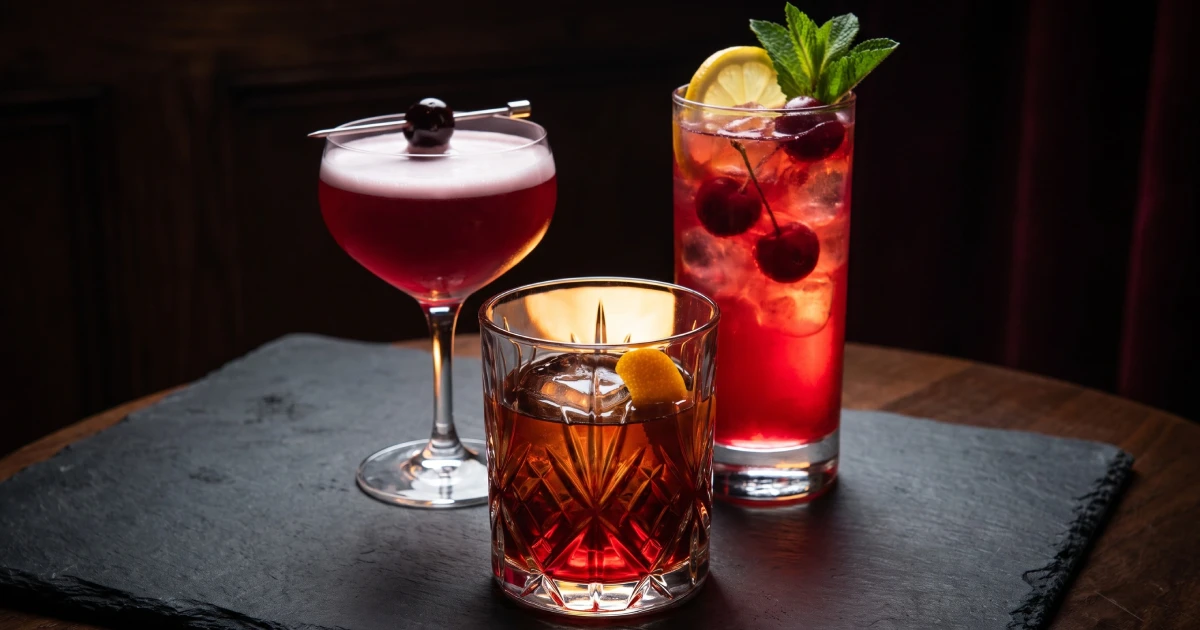
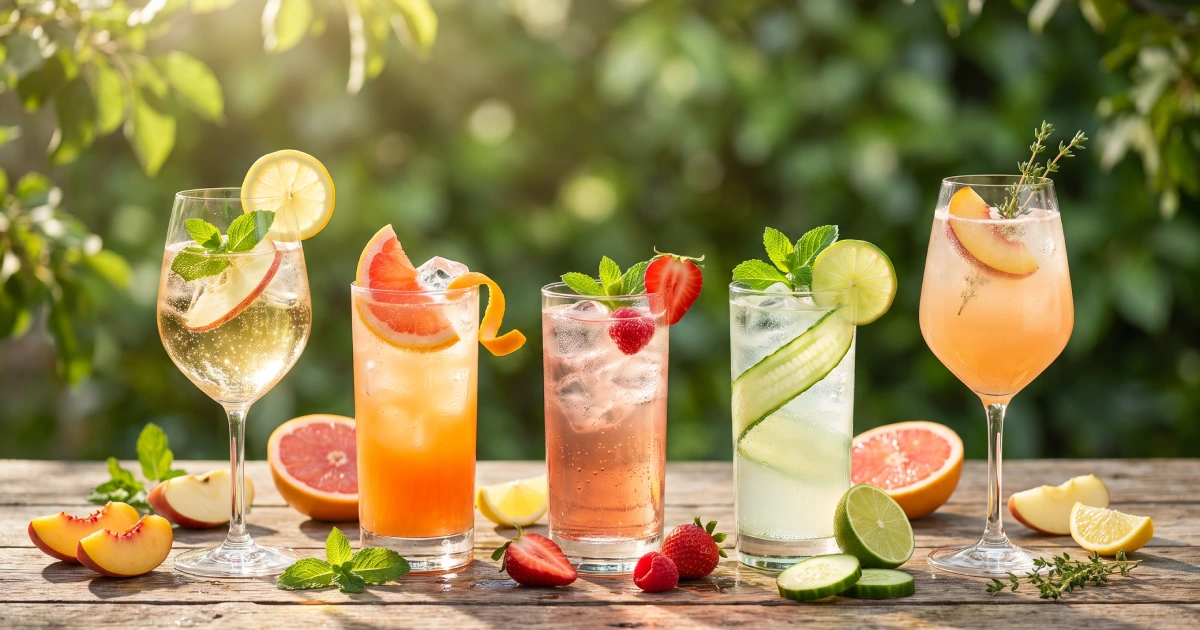
Here are five cocktails from our lineup, each named for a piece of the tradition.
The Fern Flower
For the seekers. Light, floral, and quietly surprising.
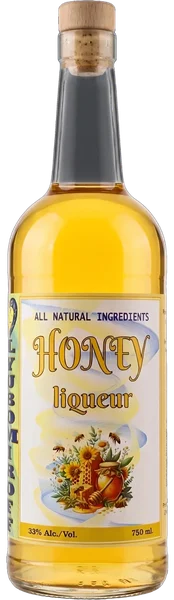
- 2 oz LYUBOMIROFF Honey Liqueur
- ¾ oz fresh lemon juice
- ½ oz elderflower cordial
- Club soda to top
Combine the honey liqueur, lemon juice, and elderflower cordial in a shaker with ice. Shake briefly. Strain into a tall glass over fresh ice and top with soda. Garnish with a sprig of fresh mint or a thin lemon wheel.
The elderflower and the botanical honey liqueur find each other immediately — floral on floral, bright and alive. This is a drink for warm evenings outside. It tastes like the kind of thing you would find at the edge of a meadow if meadows served cocktails.
Midsummer Bonfire
For the brave. Bold and warm, with real smoke in the finish.
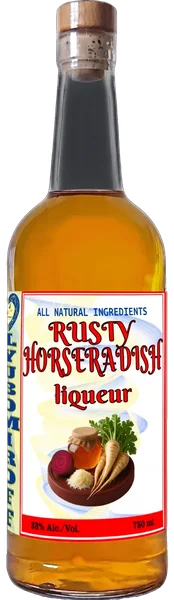
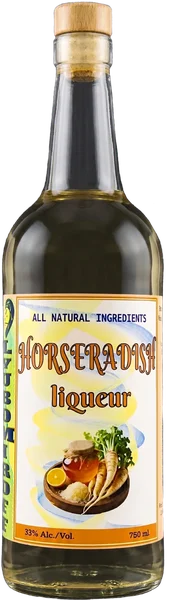
- 2 oz LYUBOMIROFF Horseradish Liqueur
- 3 oz good tomato juice
- ½ oz fresh lemon juice
- 2 dash Worcestershire sauce
- 1 pinch Black pepper
- 1 pinch smoked salt, plus more for the rim
- 1 piece Lemon wedge for garnish
Rim a rocks glass with smoked salt. Build over ice — horseradish liqueur first, then tomato juice, lemon, Worcestershire, a pinch of smoked salt, and a pinch of black pepper. Stir once. Garnish with a lemon wedge and a thin slice of fresh horseradish if you have it.
The smoked salt on the rim does something interesting with the heat of the horseradish — they amplify each other into something that genuinely resembles warmth from a fire. Drink this one while standing outside.
Forest Wreath
For the romantics. Delicate, red, and gone too quickly.
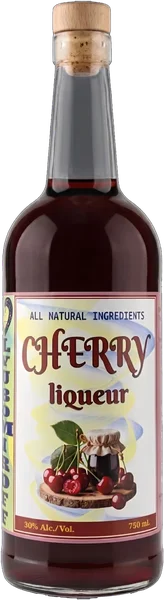
- 2 oz LYUBOMIROFF Cherry Liqueur
- 6–8 fresh mint leaves
- 0.75 oz fresh lime juice
- Sparkling water to top
Muddle the mint gently in the bottom of a tall glass — press, don't tear. Add ice. Pour the cherry liqueur and lime juice over the ice. Top with sparkling water. Stir once with a long spoon. Garnish with a mint sprig and a floating cherry if you have one.
Cherry and mint is one of those combinations that feels obvious only after you've tried it. The cherry liqueur is rich and dark enough to hold its own against the brightness of the mint. This is the drink to serve when people arrive — easy to understand, impossible to put down.
Kupala Night
For the contemplative. Complex, slow, and worth the wait.
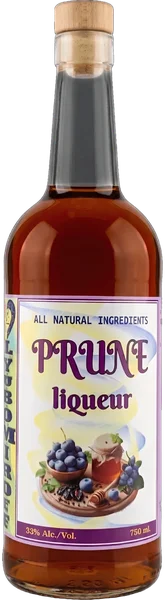
- 2 oz LYUBOMIROFF Prune Liqueur
- 0.75 oz fresh orange juice
- 2 dashes aromatic bitters
- 1 large ice cube
Pour the prune liqueur, orange juice, and bitters over a single large ice cube in a rocks glass. Stir slowly for twenty seconds. Express a wide strip of orange peel over the top — hold it skin-side down over the glass and squeeze to release the oils — then drop it in.
This is the drink for later in the evening, when the bonfire has settled into embers and the conversation has quieted. The prune liqueur has a depth that takes time — there is dried fruit, a hint of something woody, then the orange peel brightening the whole thing at the end.
River of Light
For the dreamers. The wreath, floating.
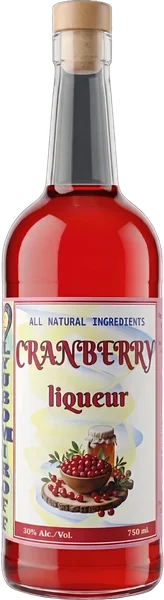
- 2 oz LYUBOMIROFF Cranberry Liqueur
- 3 oz dry rosé wine
- ½ oz fresh lemon juice
- Ice
- One edible flower to float on top (nasturtium, violet, or borage)
Build in a wine glass over ice — cranberry liqueur first, then rosé, then lemon juice. Stir gently. Float a single edible flower on the surface.
The cranberry and rosé together create a color that is almost exactly the shade of a Kupala sky just before full dark — somewhere between pink and red, translucent when held to the light. The edible flower on top is the candle in the wreath. Serve this one last, when the night is at its most beautiful.
Made for moments like this
Our full range of spirits is available at select retailers across New Jersey. If you are celebrating Kupala night this summer — or simply looking for something to bring to a midsummer gathering — we made these for exactly that kind of evening.
Crafted with tradition. Made for moments like this.